

How Long Does Bridal Hair Styling Take?
Your wedding morning can feel calm and exciting, or rushed and stressful. One of the biggest factors is simply knowing how much time to allow for your hair.
If you are searching for a “mobile hairstylist near me in Portsmouth NH,” working with a wedding hair stylist in Portsmouth NH, or booking a personalized hair styling service, understanding the timing ahead of time makes it much easier to build a wedding-day schedule that actually works.
Most bridal hairstyles take about 60 to 90 minutes on the wedding day. More detailed styles, very long or thick hair, extensions, or significant prep can push the appointment closer to two hours. The right timeline depends on your chosen look, your hair type, and how much preparation is needed before styling begins.
Below, we will break down what affects bridal hair timing, how much time bridesmaids may need, and how to keep your wedding morning running smoothly.
How Much Time Should You Allow for Bridal Hair?
For most brides, setting aside around 90 minutes is a smart starting point.
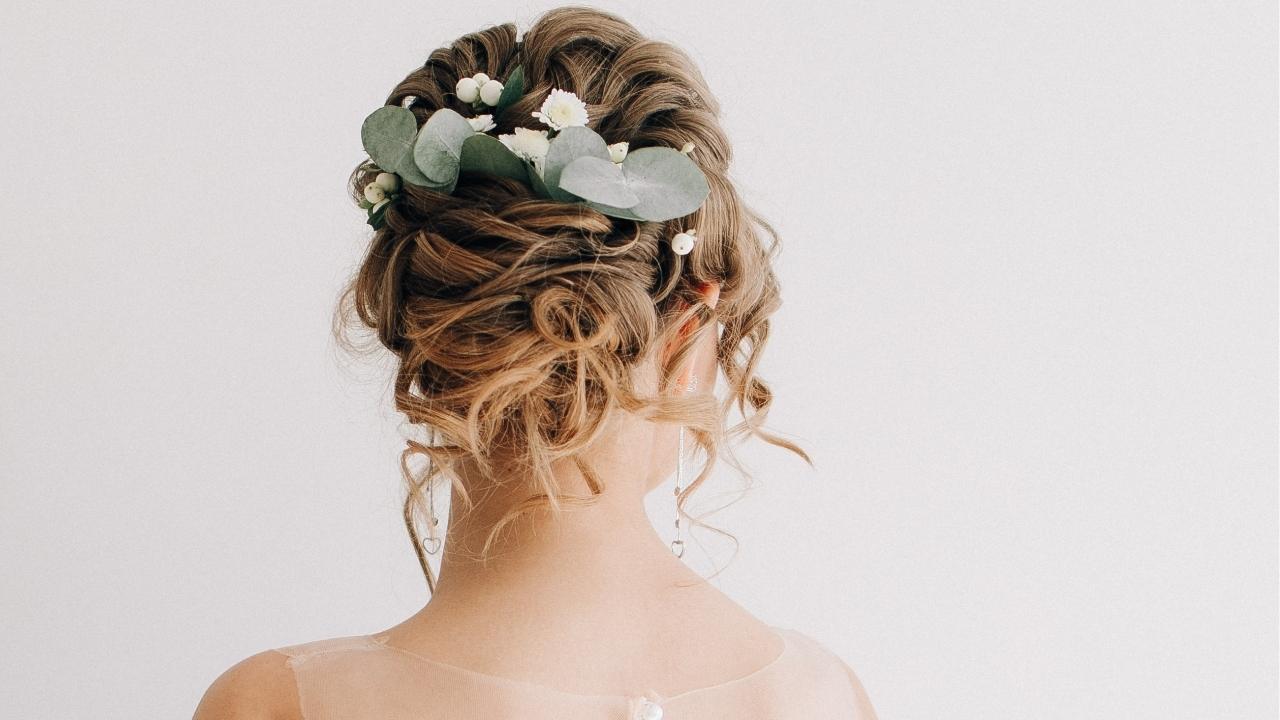
A simple polished blowout or soft waves may take less time, while an intricate updo with braids, curls, pins, accessories, or extensions will naturally require more.
A typical bridal hair appointment may include:
Hair preparation and sectioning
Curling, smoothing, or adding texture
Building and securing the final style
Placing a veil or hair accessories
Checking the style from every angle
Making final adjustments and applying finishing products
Bridal styling is usually more detailed than an ordinary salon appointment. Your hairstyle needs to look beautiful in person and in photos while holding up through hugs, dancing, weather, and hours of celebration.
That extra attention takes time and it is usually worth allowing a little breathing room.
What Can Make Bridal Hair Take Longer?
No two brides need exactly the same amount of styling time. Several factors can add minutes to your appointment.
Hair Length and Thickness
Long or thick hair usually requires more sectioning, curling, smoothing, and pinning. A stylist may also need additional time to distribute the hair correctly so an updo feels secure rather than heavy.
Very fine hair can require extra preparation too. Products, teasing, or texture techniques may be needed to create enough volume and grip.
Hairstyle Complexity
Loose curls typically take less time than a sculpted chignon, detailed braided updo, or vintage-inspired style.
Small details add up. Face-framing pieces, woven braids, hidden pins, structured waves, and polished finishes can each add time to the process.
Bring clear inspiration photos to your trial so your stylist can give you a realistic timing estimate.
Hair Extensions
Extensions can create beautiful volume and length, but they also require careful placement and blending.
Clip-in pieces should be incorporated into the hairstyle so they look natural and remain secure throughout the day. Depending on the style, this may add 15 to 30 minutes.
Veils and Accessories
Combs, pins, flowers, headbands, tiaras, and veils all need to be positioned carefully.
Your stylist also needs to consider how the accessory will be removed later without disturbing the hairstyle. This is especially important for brides who plan to remove a ceremony veil before the reception.
How Long Does Hair Styling Take for the Bridal Party?
The bride is only one part of the wedding-morning schedule.
Bridesmaids, mothers, flower girls, and other members of the wedding party may also need professional styling.
As a general planning guide:
Bride: 60–90 minutes
Bridesmaid: 45–60 minutes
Mother of the bride or groom: 45–60 minutes
Flower girl or simple children's style: 20–30 minutes
These times can vary depending on hair type and the requested style.
For larger bridal parties, your stylist may recommend bringing another professional so multiple people can be styled at the same time. This can prevent an early morning from becoming unnecessarily long.
Why a Bridal Hair Trial Can Save Time
A trial is about much more than deciding whether you like a hairstyle.
It gives you and your stylist a chance to figure out exactly how the look should be created before the wedding morning begins.
During the trial, you can test:
Different part placements
Curl patterns and texture
Updo height and shape
Face-framing pieces
Extensions
Veils and accessories
Your stylist also gets to see how your hair responds to different techniques and products.
That knowledge can make the wedding-day appointment far more efficient.
For example, your stylist may discover during the trial that your hair holds curls better when certain products are avoided, or that your chosen updo needs extra preparation for stability. Those details are much easier to solve ahead of time than on the morning of your wedding.
How to Prepare Your Hair Before the Stylist Arrives
Good preparation can make a noticeable difference in both styling time and results.
Follow the instructions your stylist gives you, because preparation recommendations vary depending on your hair and hairstyle.
In many cases, brides may be asked to arrive with clean, completely dry hair unless the stylist plans to perform a blowout.
Before your appointment:
Wear a button-down shirt, robe, or loose-neck top.
Have your veil and accessories ready.
Keep extensions clean, dry, and detangled.
Avoid experimenting with unfamiliar products.
Make sure everyone receiving services is available on time.
Even a 15-minute delay early in the morning can eventually affect photography, transportation, and the ceremony timeline.
Case Study: Why Extra Time Matters
A bride planning a Portsmouth-area wedding originally allowed only one hour for an intricate low bun with extensions and a veil. During her trial, the stylist discovered that her thick hair required additional curling and sectioning to keep the style secure. Her wedding-day appointment was adjusted to 90 minutes instead. Because the schedule had been corrected beforehand, her stylist had enough time to finish the look, secure the veil, and make small adjustments without rushing. The bride was ready before photography began and had time to relax with her bridal party instead of watching the clock.
The lesson is simple: realistic timing creates a calmer wedding morning.
What Time Should Bridal Hair Be Finished?
Do not schedule your hair appointment to finish exactly when you need to leave.
A better approach is to have hair and makeup completed 30 to 60 minutes before photography or departure.
That buffer gives you time to:
Put on your dress
Add jewelry and accessories
Take getting-ready photos
Handle minor delays
Make final hair or makeup touch-ups
Your photographer, makeup artist, hairstylist, and wedding coordinator may all have input on the schedule.
Work backward from the time you need to be completely ready rather than from the ceremony start time.
For example, if photographs begin at 1:00 p.m., you may want your hair finished around noon rather than 12:50 p.m.
That extra cushion can completely change the mood of the morning.
Create a Wedding Morning That Feels Unhurried
Your bridal hairstyle deserves enough time to be done properly.
For most brides, 60 to 90 minutes is realistic, while intricate hairstyles, extensions, or very thick hair may require closer to two hours. A professional trial can give you a much more accurate estimate and help eliminate surprises.
More importantly, avoid building a wedding schedule with no breathing room. Give yourself enough time to enjoy the experience instead of rushing from the styling chair directly into your dress.
Ready to plan your wedding-day look? Schedule your bridal hair consultation early so your stylist can create the right hairstyle, recommend a realistic timeline, and help you start your wedding day feeling relaxed and confident.